Fuel Your Day: The Power of Low GI Breakfasts for Sustained Energy & Fullness
Starting your day right can set the tone for your energy levels, mood, and overall health. While many traditional breakfast options might offer a quick burst of energy, they often lead to an inevitable crash, leaving you feeling sluggish and hungry long before lunchtime. The secret to stable energy, prolonged fullness, and better blood sugar management lies in choosing a low GI breakfast.
Unlike breakfasts laden with fast-absorbing sugars found in white bread, sugary cereals, and pastries, a low glycemic index (GI) breakfast is designed to release glucose into your bloodstream slowly and steadily. This helps prevent the drastic blood sugar spikes and subsequent dips that can derail your morning, impact your focus, and even influence your body's ability to manage weight. This approach is not only invaluable for individuals managing conditions like type 2 diabetes but also for anyone seeking to optimize their daily performance and well-being.
Understanding the Glycemic Index (GI): Why It Matters for Breakfast
The Glycemic Index (GI) is a numerical scale that ranks carbohydrate-rich foods based on how quickly they raise blood sugar levels after consumption. Foods are typically categorized into three groups:
- High GI foods (70-100): These are rapidly digested and absorbed, causing a quick and significant rise in blood glucose. Think white bread, sugary cereals, and many processed snacks.
- Medium GI foods (56-69): These have a moderate effect on blood sugar.
- Low GI foods (0-55): These are slowly digested and absorbed, leading to a gradual and sustained release of glucose into the bloodstream. Examples include whole grains, most fruits, non-starchy vegetables, and legumes.
The GI value of a food isn't just about its sugar content; it's also influenced by the complexity of its carbohydrates, its fiber, protein, and fat content. For instance, a food with higher fiber or protein will generally have a lower GI because these components slow down digestion. When you choose high GI foods for breakfast, your body quickly converts the carbs into glucose, leading to a sharp rise in blood sugar. In response, your pancreas releases insulin to bring blood sugar back down. This rapid process often results in an energy crash, increased hunger, and a cycle of snacking. Over time, frequent blood sugar spikes and high insulin levels can contribute to insulin resistance, increase the risk of type 2 diabetes, and impact cardiovascular health. Furthermore, these spikes can make weight management more challenging by affecting how your body utilizes fat.
Conversely, a low GI breakfast provides a steady supply of glucose, ensuring stable energy levels, sustained satiety, and improved mental clarity throughout the morning. This steady release of energy helps you stay focused, productive, and less prone to unhealthy cravings.
Building Your Perfect Low GI Breakfast: The Key Components
Crafting a balanced, delicious, and low GI breakfast is simpler than you might think. The key is to combine several elements that work synergistically to slow carbohydrate absorption and prevent unwanted blood sugar fluctuations. Think of it as a winning formula:
- Low GI Carbohydrate Source: This forms the base of your meal, providing complex carbohydrates that break down slowly.
- Examples: Rolled oats, steel-cut oats, whole-grain bread (sourdough, rye), pearl barley, spelt flour in homemade pancakes or muffins.
- Protein Source: Protein significantly boosts satiety and further slows digestion, keeping you feeling full longer.
- Examples: Eggs (scrambled, boiled, poached), plain Greek yogurt, cottage cheese, tofu scramble, protein powder in smoothies.
- Fiber-Rich Foods: Fiber is crucial for digestive health and plays a major role in lowering the overall GI of a meal.
- Examples: Berries (strawberries, blueberries, raspberries), apples, pears, chia seeds, flax seeds, leafy greens (in savory breakfasts).
- Healthy Fats: Like protein and fiber, healthy fats contribute to satiety and slow down glucose absorption, promoting a steady energy release.
- Examples: Almonds, walnuts, pecans, avocado, natural nut butters (without added sugar), a drizzle of olive oil (for savory dishes).
By consciously selecting these components, you can transform your morning meal into a powerhouse of sustained energy and nutrition. If you're looking for more detailed swaps and ideas, our article Swap High GI: Build Your Perfect Low GI Breakfast offers excellent guidance.
Practical Low GI Breakfast Ideas for Stable Energy & Fullness
Here are some simple and delicious ideas to inspire your low GI breakfast routine. These options prioritize the key components discussed above, ensuring you start your day nourished and energized:
- Overnight Oats with Berries and Nuts:
Combine rolled oats (a fantastic low GI carb) with unsweetened almond milk, chia seeds (for fiber and healthy fats), and a handful of mixed berries. Prepare the night before for a grab-and-go meal. In the morning, top with a sprinkle of chopped almonds or walnuts for extra crunch and healthy fats. You can also add a scoop of protein powder for an extra boost.
- Greek Yogurt Parfait with Fruit and Seeds:
Layer plain, unsweetened Greek yogurt (high in protein) with a variety of low GI fruits like berries, sliced peaches, or kiwi. Sprinkle with flax seeds or a small amount of granola made with whole oats and minimal added sugar. This offers a creamy, satisfying texture with a great balance of macronutrients.
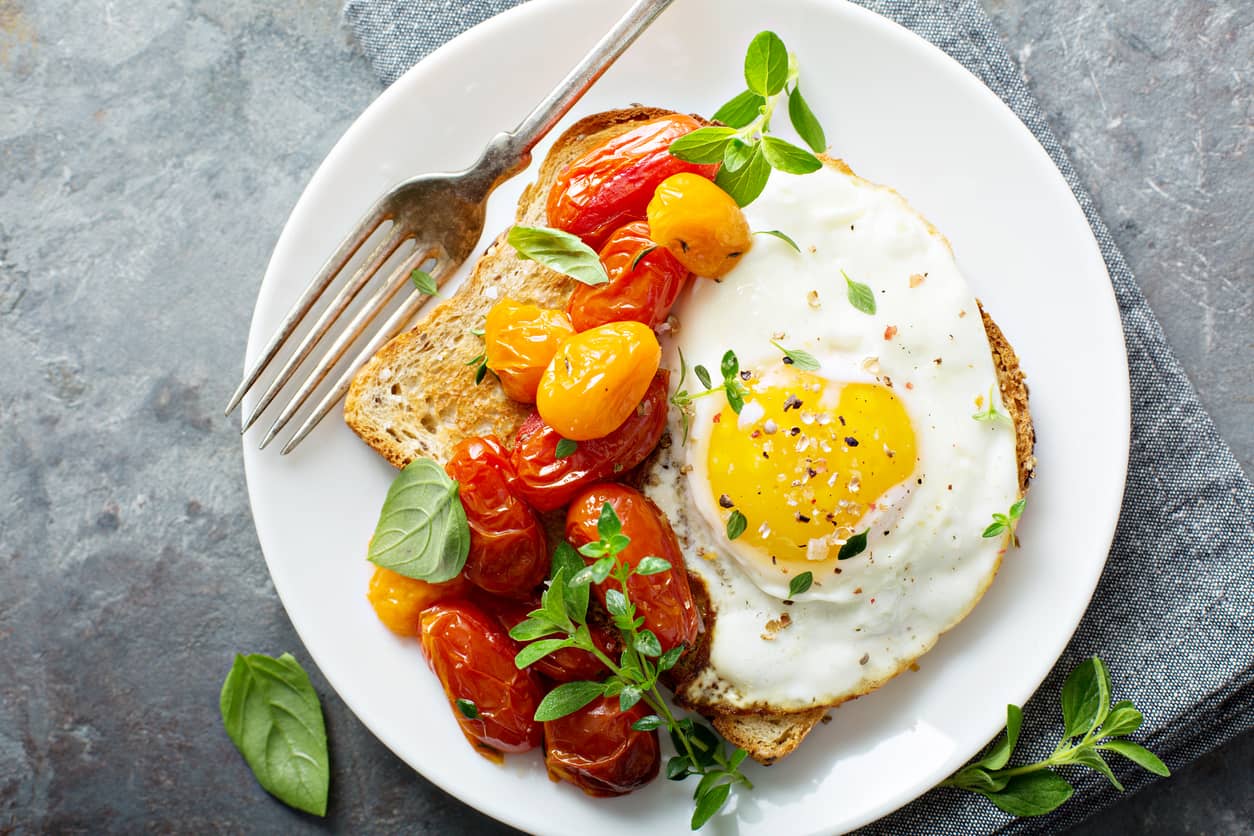
- Scrambled Eggs with Avocado and Whole-Grain Toast:
Eggs are an excellent protein source. Pair scrambled or poached eggs with half an avocado (healthy fats) and a slice of true whole-grain or sourdough bread (low GI carb). Add some spinach or other non-starchy vegetables to your eggs for added fiber and nutrients.
- Chia Seed Pudding:
Soak chia seeds in unsweetened almond or coconut milk overnight. In the morning, top with your favorite low GI fruits and a dash of cinnamon. Chia seeds are a powerhouse of fiber and omega-3 fatty acids, making this a filling and nutrient-dense option.
- Savory Cottage Cheese Bowl:
Cottage cheese is packed with protein. Top it with chopped cherry tomatoes, cucumber, a sprinkle of everything bagel seasoning, and a drizzle of olive oil. For a hint of sweetness without the sugar, add a few slices of avocado and a dash of black pepper.
- Shakshuka (with a Low GI Twist):
This flavorful Middle Eastern and North African dish features eggs poached in a rich tomato sauce. Ensure your sauce is made from fresh tomatoes and avoids added sugars. Serve with a slice of whole-grain or rye bread for dipping. It's a fantastic way to incorporate vegetables and protein into your morning.
- Protein Smoothie (Balanced):
Blend unsweetened almond milk, a scoop of protein powder, a handful of spinach, half a banana (for creaminess), and a tablespoon of almond butter or flax seeds. This is a quick and efficient way to get protein, fiber, and healthy fats into your system.
Important Considerations for Optimal Blood Sugar Control
While choosing low GI foods is a powerful strategy, remember that individual responses to foods can vary. Factors like cooking methods, ripeness of fruit, and even your unique metabolism can influence how your body reacts. Consistency is key, and over time, you'll learn which low GI options work best for you. For those specifically focused on diabetes management, consistently integrating these types of meals can be transformative. Our article Control Blood Sugar: Essential Low GI Breakfasts for Diabetes provides more specific insights.
It's also crucial to identify and minimize high GI culprits in your breakfast routine. Be mindful of:
- White Bread and Bagels: Opt for whole-grain, rye, or sourdough alternatives.
- Sugary Cereals: Many cereals are disguised sugar bombs. Read labels carefully and choose those with high fiber and low sugar.
- Pastries and Muffins: These are often made with refined flours and high sugar content.
- Sweetened Jams and Syrups: Choose fruit spreads with no added sugar or opt for fresh fruit.
- Industrial Fruit Juices: Even 100% fruit juice can cause a rapid sugar spike due to the absence of fiber. Whole fruits are always a better choice.
Conclusion: Embrace the Low GI Difference
Making the switch to a low GI breakfast is a simple yet profoundly impactful step towards a healthier lifestyle. By prioritizing foods rich in fiber, protein, and healthy fats, you're not just fueling your body; you're nurturing stable energy levels, prolonging feelings of fullness, and actively managing your blood sugar for better long-term health. These deliberate choices empower you to avoid mid-morning energy crashes, curb unhealthy cravings, and maintain focus throughout your day. Experiment with the ideas above, discover your favorites, and experience the transformative power of starting your day the low GI way.
