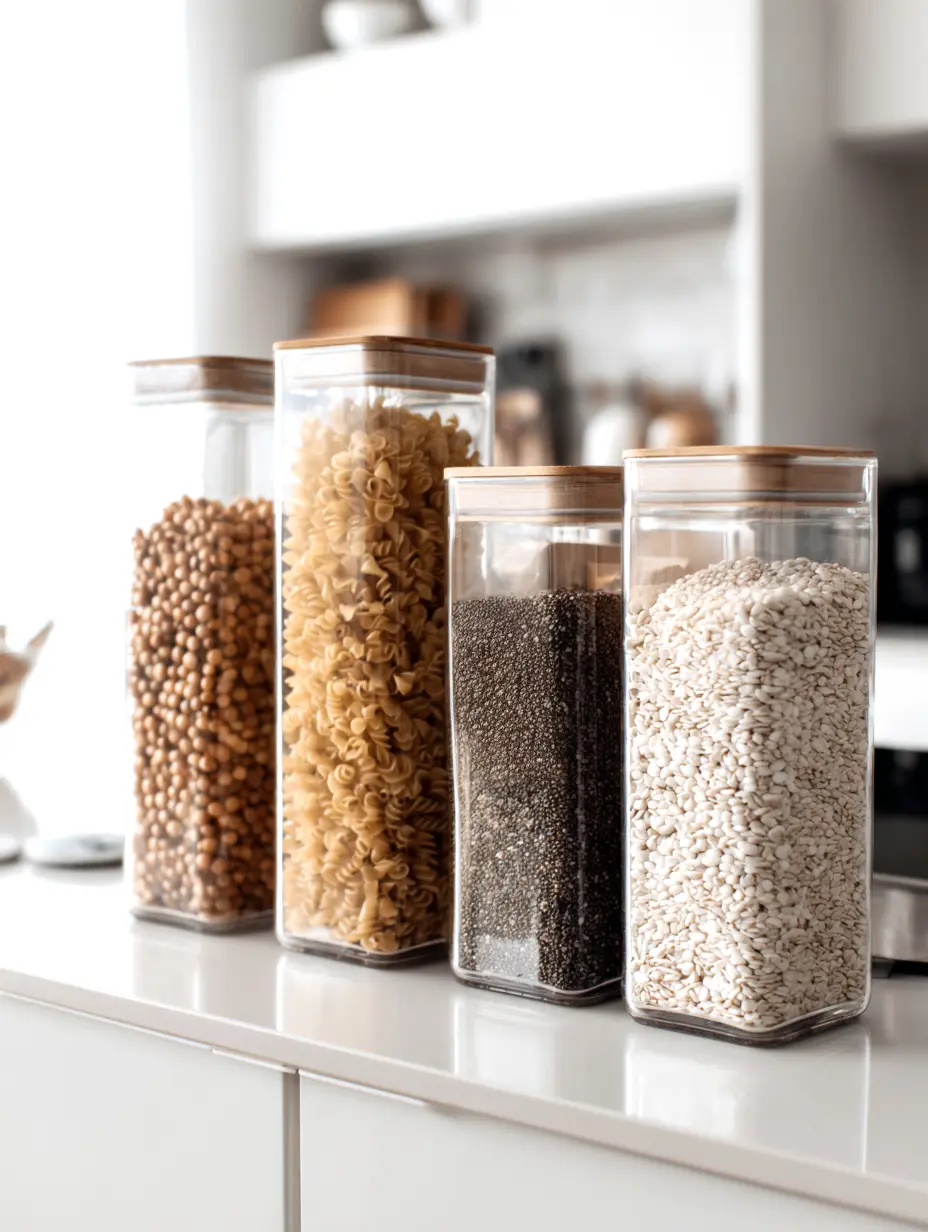
Starting your day with the right fuel can set the tone for your energy, mood, and even your long-term health. While many traditional breakfast options like sugary cereals, white toast, and pastries offer a quick burst of energy, they often lead to an inevitable crash, leaving you feeling hungry and sluggish long before lunchtime. The secret to sustained vitality and stable blood sugar? A well-crafted low glycemic index (GI) breakfast.
Unlike those high-GI culprits that send your blood sugar soaring, a low gi breakfast releases glucose slowly into your bloodstream. This steady supply of energy keeps you feeling full, focused, and free from the notorious mid-morning slump. It's a game-changer not only for those managing conditions like type 2 diabetes but for anyone seeking to optimize their daily performance and overall well-being. This article will guide you through understanding the power of low GI eating and help you build your perfect morning meal.
Understanding the Glycemic Index (GI) and Why It Matters for Breakfast
The Glycemic Index is a system that ranks carbohydrate-containing foods based on how quickly they affect your blood sugar levels after consumption. Foods are ranked on a scale of 0 to 100:
- High GI (70-100): Foods like white bread, sugary drinks, and many processed cereals are quickly digested, causing a rapid and sharp rise in blood glucose.
- Medium GI (56-69): Foods such as whole wheat bread and basmati rice fall into this category.
- Low GI (0-55): Foods like oats, most fruits, non-starchy vegetables, and legumes are digested slowly, leading to a gradual and stable increase in blood sugar.
Why is this crucial for your first meal of the day? A high-GI breakfast triggers a rapid insulin response to bring down surging blood sugar. While effective, this often overshoots, leading to a subsequent drop below optimal levels – the dreaded "sugar crash." This crash manifests as fatigue, irritability, difficulty concentrating, and often, intense hunger, prompting you to reach for more quick-fix snacks. Over time, frequent blood sugar spikes can contribute to insulin resistance, increase the risk of type 2 diabetes and cardiovascular diseases, and even hinder weight management efforts by influencing how your body stores fat.
Conversely, a low gi breakfast ensures a steady, prolonged release of glucose. This maintains stable energy levels throughout the morning, enhances satiety, reduces cravings, and supports better overall metabolic health. It’s about more than just feeling good; it’s about making a conscious choice for your body’s long-term health and stability.
The Pillars of a Perfect Low GI Breakfast: Strategic Ingredient Selection
Crafting a truly effective low GI breakfast isn't just about avoiding high-GI foods; it's about actively building your meal with ingredients known for their blood sugar-stabilizing properties. The key is to combine several elements that work synergistically to slow down carbohydrate absorption and maximize nutritional value.
Essential Components for Your Low GI Breakfast:
- Low GI Carbohydrate Sources: These form the base of your meal.
- Oats: Opt for rolled or steel-cut oats, which are rich in soluble fiber (beta-glucan) that slows digestion. Instant oats, due to their processing, can have a higher GI.
- Whole Grain Flours: If baking or choosing bread, look for options made with flours like spelt, pearl barley, or specific low-GI whole grain breads. These retain more of the grain's fiber and nutrients.
- Legumes: While less common for breakfast, options like black beans in a breakfast burrito can be excellent low-GI carb sources.
- Protein Sources: Protein significantly boosts satiety and further slows the absorption of carbohydrates.
- Eggs: Versatile and nutrient-dense, eggs are a fantastic choice, whether scrambled, poached, or in an omelet.
- Plain Yogurt or Cottage Cheese: Especially Greek yogurt, which is higher in protein and lower in lactose (milk sugar) than regular yogurt. Always choose plain to avoid added sugars.
- Lean Meats or Fish: If you enjoy savory breakfasts, smoked salmon or lean turkey can be excellent additions.
- Fiber-Rich Foods: Fiber is your ally in blood sugar management, adding bulk and slowing digestion.
- Berries: Blueberries, raspberries, and strawberries are packed with fiber, antioxidants, and have a naturally low sugar content.
- Seeds: Chia seeds, flax seeds, and hemp seeds are fiber powerhouses, often used in puddings or as toppings.
- Non-Starchy Vegetables: Spinach, mushrooms, bell peppers, and tomatoes can be easily incorporated into omelets or scrambles.
- Healthy Fats: While fats don't directly impact blood sugar, they increase satiety and slow stomach emptying, contributing to stable energy.
- Nuts: Almonds, walnuts, pecans, and cashews offer healthy fats, fiber, and protein.
- Avocado: A creamy source of monounsaturated fats, perfect for toast or alongside eggs.
- Nut Butters: Opt for natural, unsweetened varieties.
By consciously selecting these components, you're not just eating a meal; you're building a balanced, nutrient-dense foundation for your day.
Crafting Your Low GI Breakfast: Practical Ideas & Combinations
Now that you understand the core ingredients, let’s explore some delicious and easy-to-implement low GI breakfast ideas. The beauty of these combinations is their versatility – you can mix and match based on your preferences and what you have on hand.
Simple & Satisfying Low GI Breakfast Ideas:
- Oatmeal Power Bowl: Cook rolled or steel-cut oats with water or unsweetened plant milk. Stir in a scoop of protein powder for an extra boost. Top with a handful of fresh berries, a sprinkle of chia seeds, and a few chopped almonds or walnuts. This classic combination delivers sustained energy and keeps you full for hours.
- Savory Egg & Veggie Scramble: Whisk 2-3 eggs with a splash of milk and scramble with a generous portion of your favorite non-starchy vegetables like spinach, mushrooms, bell peppers, and onions. Serve alongside a slice of low-GI whole grain toast topped with avocado for healthy fats.
- Greek Yogurt Parfait: Layer plain, high-protein Greek yogurt with a variety of fresh or frozen mixed berries. Sprinkle with a generous amount of low-GI granola (check labels carefully for sugar content) or a mix of flax and pumpkin seeds for added fiber and crunch.
- Cottage Cheese & Fruit Medley: Enjoy a serving of cottage cheese (rich in casein protein for slow release) with sliced peaches or other low-GI fruits like oranges or apples. A dash of cinnamon can further help with blood sugar regulation.
- Chia Seed Pudding: Mix chia seeds with unsweetened almond milk and a touch of vanilla extract. Refrigerate overnight. In the morning, top with berries and a spoonful of nut butter. This is an excellent make-ahead option.
- Homemade Low GI Breakfast Bars: If you enjoy meal prepping, consider making your own breakfast bars using rolled oats, unsweetened nut butter, seeds, and dried berries (in moderation). This allows you to control the ingredients and sugar content.
- Shakshuka with Whole Grain Bread: This flavorful Middle Eastern dish of eggs poached in a rich tomato sauce with bell peppers and spices is surprisingly low GI, especially when paired with a small serving of low-GI whole grain bread for dipping.
For even more diverse and creative low GI breakfast ideas that ensure stable energy and lasting fullness, explore our dedicated guide: Low GI Breakfast Ideas for Stable Energy & Fullness. This approach is particularly critical for individuals managing their blood sugar, and you can find tailored strategies in our article: Control Blood Sugar: Essential Low GI Breakfasts for Diabetes.
Beyond the Plate: Tips for Long-Term Low GI Success
Adopting a low GI breakfast strategy is a powerful step towards better health, but sustained success often comes from integrating it smoothly into your lifestyle. Here are some additional tips to help you make this a lasting habit:
- Embrace Meal Prep: Many low GI breakfast components can be prepared in advance. Cook a larger batch of steel-cut oats, chop vegetables for scrambles, or assemble chia pudding jars on Sunday evening. This saves valuable time on busy mornings.
- Read Food Labels Diligently: Don't be fooled by "healthy-sounding" claims. Always check the ingredients list for added sugars (sucrose, high-fructose corn syrup, dextrose), refined flours, and artificial additives. Pay attention to fiber and protein content.
- Listen to Your Body: Everyone's glycemic response can differ slightly. Pay attention to how different foods make you feel. Are you energized or sluggish? Still hungry or satisfied? This feedback will help you fine-tune your ideal low GI breakfast.
- Hydration is Key: Don't forget to drink water! Starting your day with a glass of water, perhaps with a squeeze of lemon, can kickstart your metabolism and aid digestion.
- Variety Prevents Boredom: While you'll discover your go-to favorites, try to rotate your breakfast options. This ensures you get a wider spectrum of nutrients and keeps your taste buds engaged, making it easier to stick to your low GI goals.
Swapping high GI breakfasts for their lower GI counterparts is one of the most impactful dietary changes you can make. It’s a proactive choice that supports stable energy, lasting satiety, and improved long-term health outcomes, particularly for blood sugar management. By focusing on whole, unprocessed ingredients rich in fiber, protein, and healthy fats, you empower yourself to start each day feeling your best. Make the switch today and experience the transformative power of a perfectly built low GI breakfast.
